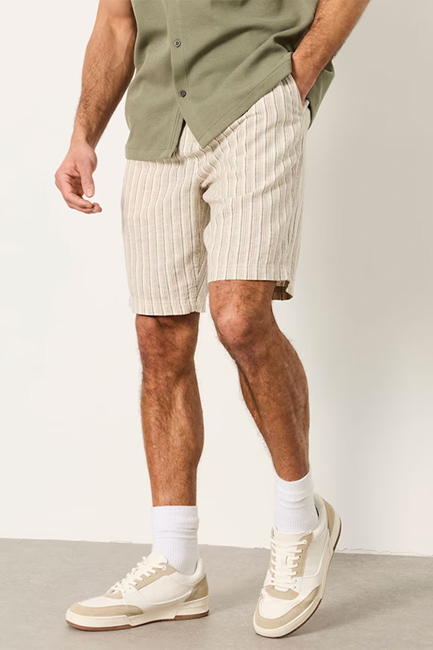
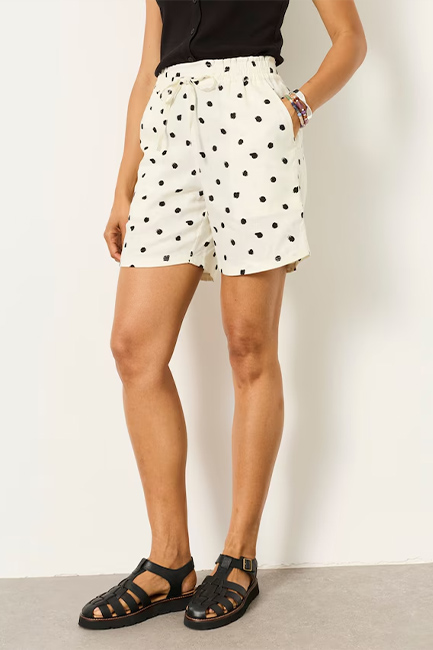
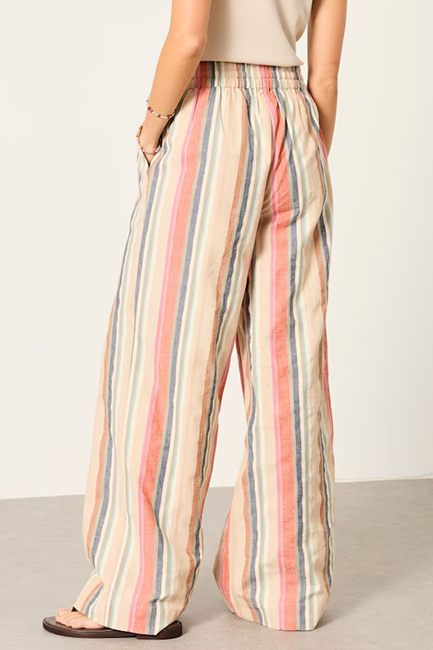
Linen is a luxurious, natural fabric made from the flax plant. Known for its slightly crisp texture and beautiful drape. It’s a wardrobe favourite, especially in spring and summer. Linen clothing is lightweight, breathable, and effortlessly cool, keeping you comfortable on warmer days. But linen’s appeal goes far beyond comfort. Its subtle slubbed texture gives it a relaxed, lived-in feel that only gets better with age, if it’s cared for properly. Is linen cotton? One of the most common questions and the answer is no. Although both are natural fabrics, linen is made from the fibres of the flax plant, while cotton comes from the soft fibres that grow around cotton seeds. Despite its laid-back look, linen is a delicate fabric. Without proper care, linen garments can shrink, lose shape, or wear out faster than they should. Stains can become stubborn, fibres can break down, and that signature linen softness can fade. That’s why following a simple but effective linen care guide is key to keeping your pieces looking fresh for seasons to come.
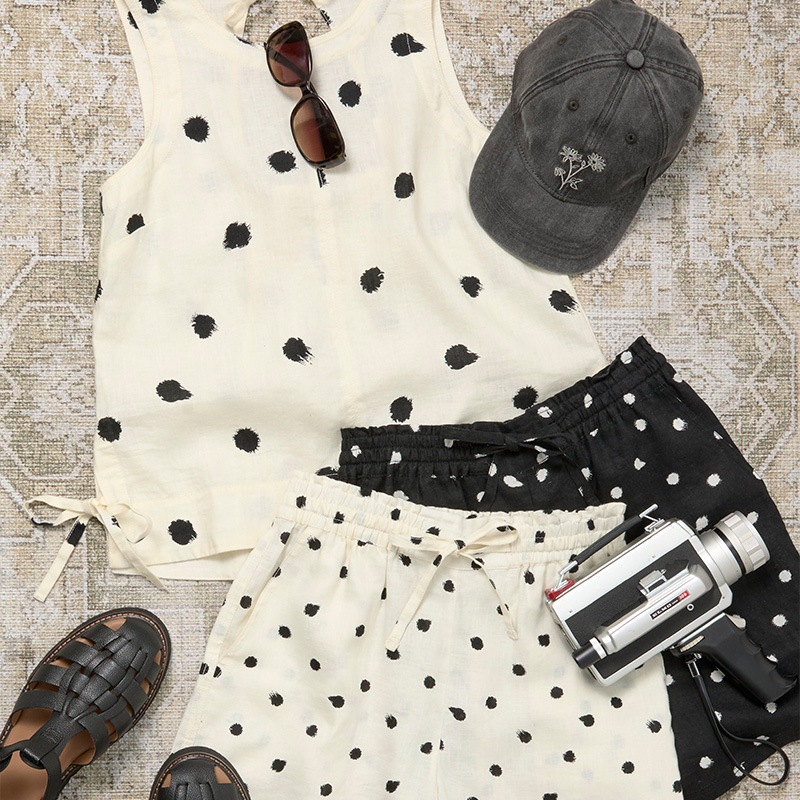
One of the most common questions is: can you machine wash linen? The answer is yes, most modern linen clothing is machine washable. In fact, it’s often the most convenient and effective method, as long as it’s done right. That said, hand washing can be a gentler option for more delicate pieces or garments with embellishments.
Step-by-Step Guide to Washing Linen:
Check the care label: This will confirm whether your item is machine or hand wash only.
Sort your laundry: Separate light and dark linens to prevent colour transfer.
Use cold or lukewarm water: Stick to 30°C or lower to avoid shrinking.
Choose a mild detergent: Opt for a gentle, non-bio detergent that's free from bleach or brighteners.
Select a gentle cycle: Use the delicate or hand-wash setting to reduce agitation.
Avoid overloading: Give your linen room to move freely in the drum for an even clean.
Skip the fabric softener: It can coat the fibres and reduce linen’s natural breathability.
Air dry when possible: Lay flat or hang to dry naturally for best results.
Yes, linen can shrink, especially if it’s exposed to high heat. The natural fibres in linen are more prone to contracting when washed or dried at high temperatures. That’s why it’s so important to use cold or lukewarm water when washing and to avoid tumble drying on hot. Most quality linen clothing is pre-washed to minimise shrinkage, but treating it gently from the start will help maintain its true size and shape. When in doubt, always check the label and stick to low temperatures.
Linen can be tumble dried, but it’s best approached with caution. High heat is the enemy, it can cause shrinkage and weaken the fibres. If you choose to tumble dry, use the lowest heat setting and remove the garment while it’s still slightly damp to avoid over-drying. A short, gentle cycle works best, and shaking out the garment before drying helps prevent deep wrinkles from setting in.
That being said, air drying is the most ideal way to dry linen. It’s gentler on the fabric, better for the environment, and helps preserve the garment’s natural shape and texture. For shirts, dresses, or tops, hang them on a padded hanger or a drying rack to allow air to circulate. For heavier items like trousers or skirts, laying them flat on a clean towel will help them dry evenly without stretching. Always avoid direct sunlight, as it can cause colours to fade over time. Let your linen breathe, and it will reward you with long-lasting comfort and effortless style.
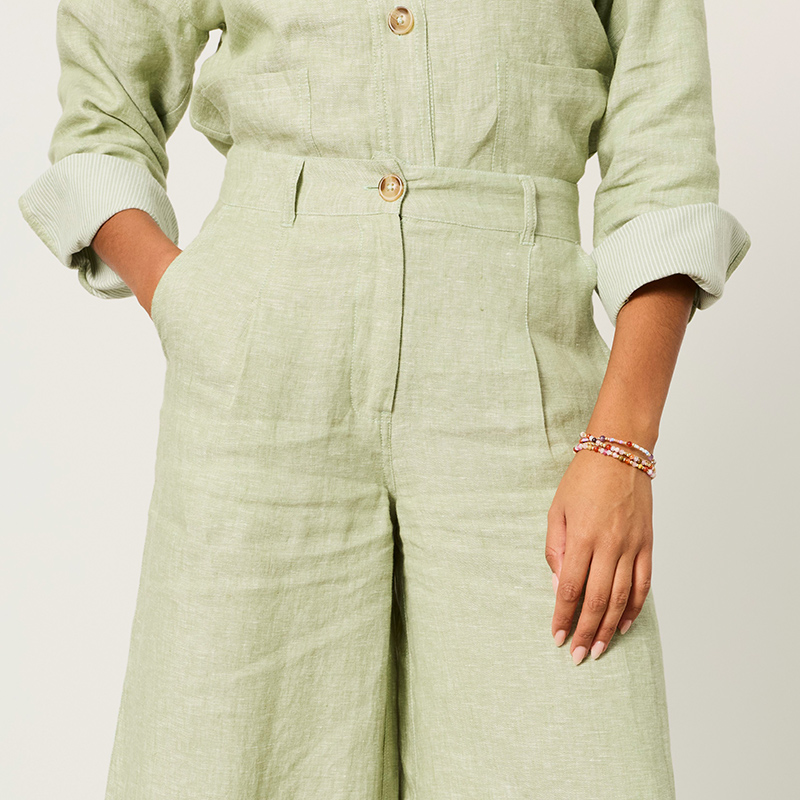
Ironing linen can feel a little intimidating, but with the right approach, it’s a simple way to keep your linen pieces looking crisp, if that’s the vibe you're going for.
Yes, you can absolutely iron linen, and many people do, especially if they prefer a smoother, more polished finish. But, linen is known and loved for its relaxed, lived-in look, so ironing isn’t always essential. If you do want a neater appearance, it’s best to iron your linen while it’s still slightly damp and to use the right settings to avoid damaging or stretching the fibres.
Step-by-Step: How to iron linen properly
Start with damp linen: Iron straight after washing, or lightly mist with water using a spray bottle. Slight dampness helps ease out wrinkles without scorching.
Set your iron to medium-hot: Set your iron to a medium-high heat (or linen setting). Use the steam function if available. Linen loves steam!
Turn the garment inside out: This prevents shine marks and protects the outer surface.
Use a pressing cloth for delicate areas: Place a thin cotton cloth between the iron and fabric for extra protection, especially on collars or cuffs.
Iron in straight lines, not circles: Move with the grain of the fabric to avoid warping or stretching it.
Hang or lay flat immediately after ironing: This helps the garment keep its shape as it cools.
Yes, steaming is a great, gentle alternative to ironing. It is ideal for removing light creases without flattening the texture. Remember, perfection isn’t the goal, linen’s charm lies in its character. Embrace the creases if you like a more effortless look, or go polished if that’s your style. Either way, it’s a win.
Linen is one of the most timeless, long-lasting fabrics in your wardrobe - but storing it properly can make all the difference when it comes to keeping it looking its best.
Linen is naturally prone to creasing due to its strong, natural flax fibres and low elasticity. This is what gives it that effortless, relaxed charm. But, it can also mean your clothing creases easily in storage. The good news? Linen is a long-lasting fabric that can bounce back beautifully with the right care. ◦ Store your linen in a cool, dry wardrobe and avoid cramming it tightly in between other clothes. ◦ Hang dresses, shirts, and trousers on wide, padded or wooden hangers to allow them to hang freely without sharp folds. ◦ If you’re short on hanging space, loosely folding and stacking items with plenty of breathing room works well. ◦ For extra protection, consider using garment bags made from breathable cotton, not plastic.
When folding linen, the key is to keep it loose and smooth. For tops and dresses, lay the garment flat, fold in the sleeves, then fold the body in thirds to avoid creating tight creases across the centre. For trousers or shorts, fold along the seams and avoid sharp corners. Try to store folded items in a single layer, or stack no more than a few at a time. Travelling with linen? Fold your garments using the bundle method wrapping softer pieces around firmer ones, to reduce deep creases. Or, roll them instead of folding to minimise pressure points. Once you’ve unpacked, hang your linen pieces up and give them a light mist of water or steam to refresh
• Blot (don’t rub) the stain immediately
• Rinse with cold water
• Apply a gentle stain remover or mild detergent
• Let it sit for a few minutes
• Wash as normal on a gentle cycle
Extra tips:
• Avoid bleach (it weakens linen fibres)
• For tougher stains, soak before washing
• Natural solutions like baking soda or vinegar can help on harder to remove stains
With all these tips and tricks under your belt, you’re now fully equipped to give your linen clothing the love it deserves. From washing and ironing to drying and storing, you’ve got everything you need to keep your pieces looking effortlessly fresh, season after season. Treat your linen well, and it’ll reward you with comfort, style, and timeless wear for years to come.
You have reached your limit of 0 items. Please review your Wishlist to keep this item.
Manage Wishlist
Please try again
Wishlist currently unavailable
Add to Wishlist
Remove from Wishlist
This item has been added/removed from a user's Wishlist.
Not already logged in? Sign Out
Are you sure you want to navigate away from this site?
If you navigate away from this site
you will lose your shopping bag and its contents.

There are no Recently Viewed items to show. Items will appear here as you view them. You can then select the images to revisit the items.
Oops' Something's gone wrong! Please try again