7.33.0 Sustainability - Clothing Care Guide | FatFace US

Fabric care guides

Knitwear

Knitwear

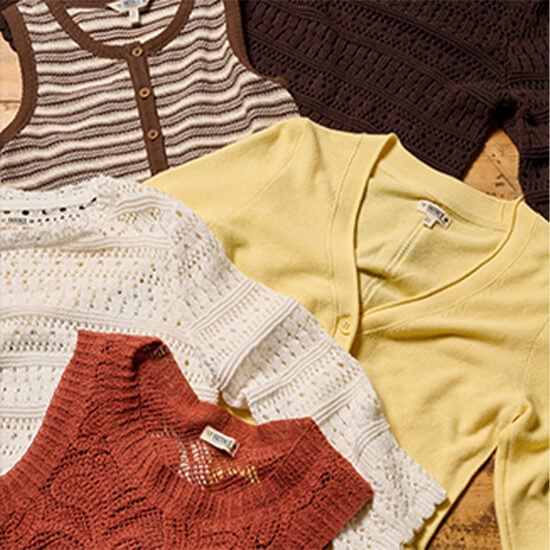
Whether it's cashmere, merino or wool, these natural fibres need only a gentle touch to stay clean and cosy.

  • Select Your Cycle: Most modern machines have a dedicated wool cycle – check your care label and start there.
  • Choose the Right Detergent: Standard detergents can be too harsh; always use a pH-neutral option for wool.
  • Don't Overwash: Washing too often ruins the softness and colour. Only wash when absolutely necessary. As a natural fibre, sometimes a simple air dry is all you need for wool.

For hand-wash only items:

  1. Add detergent to a sink of lukewarm water.
  2. Submerge items inside out, moving them gently to spread the soap without stretching the fabric.
  3. Soak for up to 30 minutes.
  4. Rinse with cold water, then press gently against the sink to remove excess moisture – never wring.
  5. Dry flat on a towel. Hanging wet wool causes it to stretch out of shape.

For more comprehensive guidance, please see our knitwear care guide.

Denim

Denim

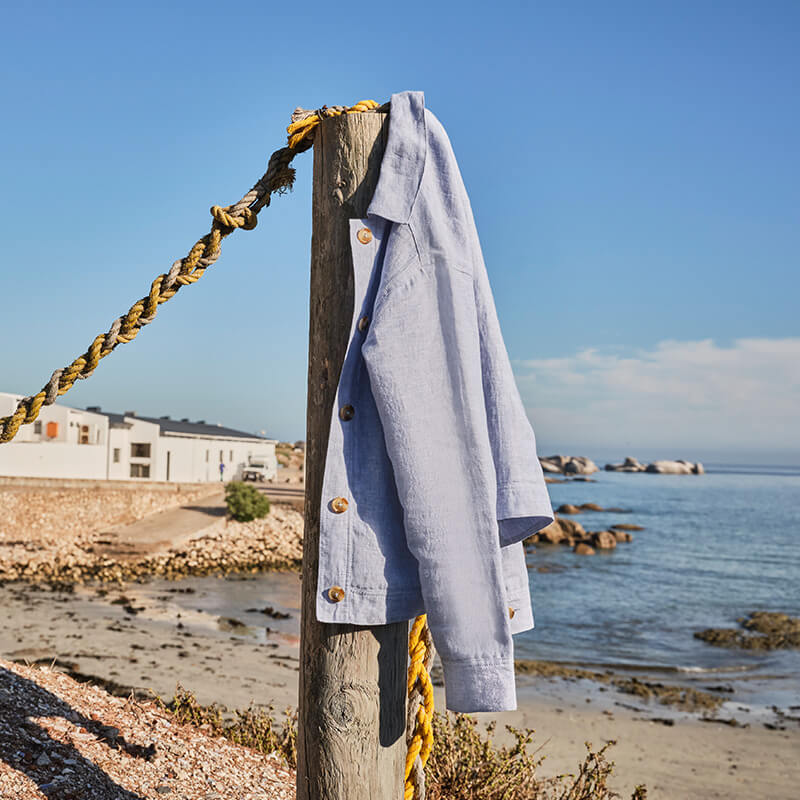
Keep your jeans, shorts and jackets looking fresh while avoiding shrinkage and fading.

  • Wash Inside Out: This reduces friction on the fabric face, protecting the colour while getting the inside clean.
  • Go Cold: High temperatures cause shrinkage. Stick to a cold, delicate cycle for a better fit.
  • Skip the Dryer: Popping denim in the dryer is a recipe for damage. Always air dry, but keep them out of harsh, direct sunlight to prevent bleaching.
  • Avoid Overwashing: Only wash when they're actually dirty. Over-washing breaks down the fibres and ruins the shape.
Cotton

Cotton

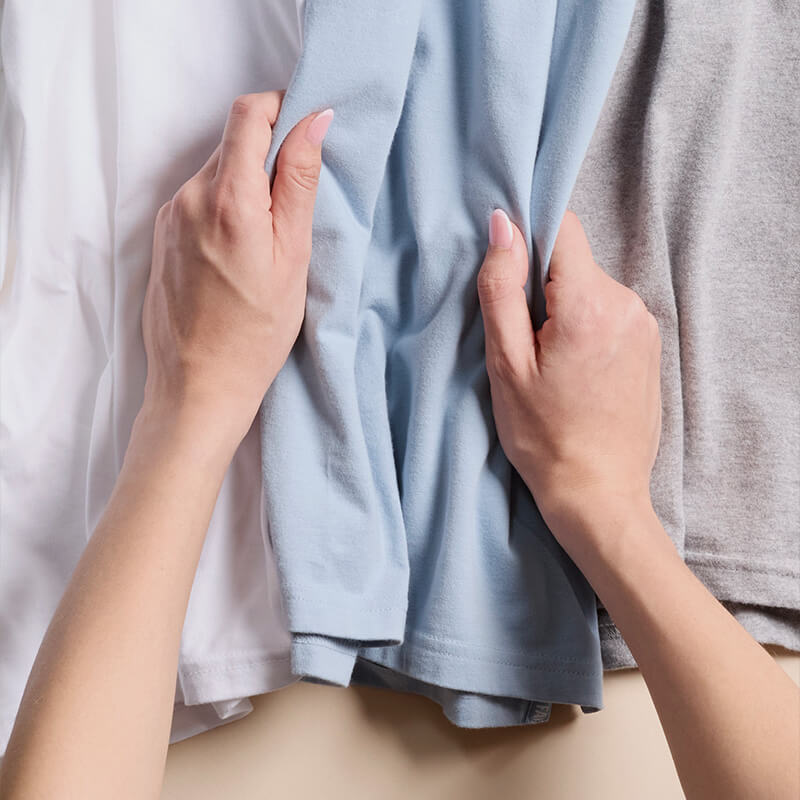
  • Frequency: Aim to wash tops and dresses every 3-4 weeks, and trousers less than once a month.
  • Refresh: Use a steamer between washes to keep things fresh without a full laundry cycle.
  • Protect: Turn items inside out to prevent discolouration during the wash.
  • Stay Cool: Washing at a low temperature saves energy and prevents shrinkage.
  • Hang It Up: Cotton is tough enough for hangers – it's the best way to prevent wrinkles in shirts and trousers.
Swimwear

Swimwear

  • Rinse Immediately: Always rinse in cold water after use to remove salt and pool chemicals.
  • Handwash: This is gentler on the fabric and releases fewer microplastics than a machine wash.
  • Dry Flat: Never wring out your swimwear. Lay it flat in the shade to preserve the shape and colour.
Whites

Whites

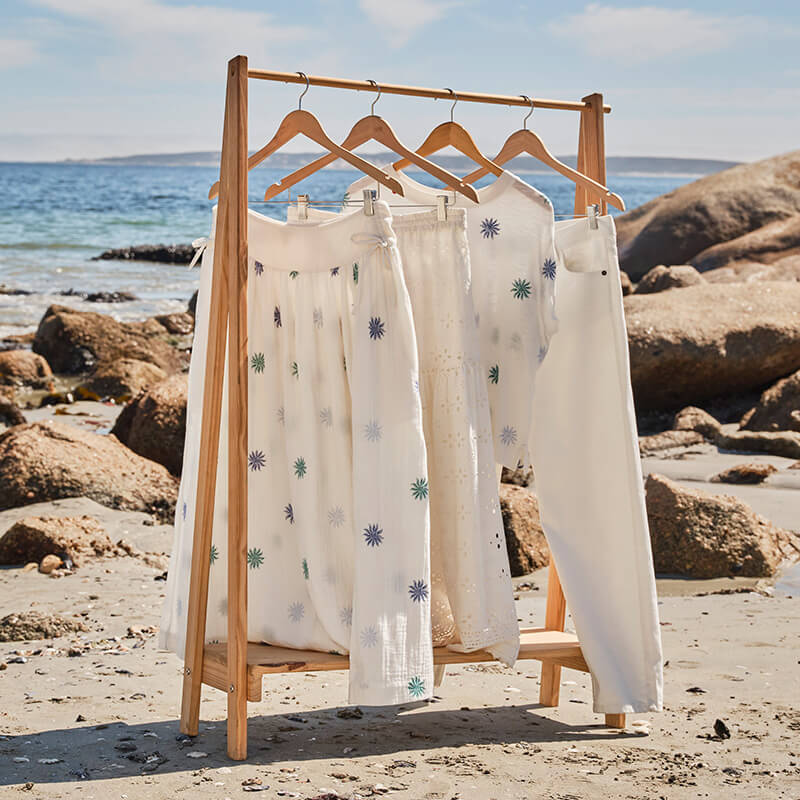
  • Separate: Always wash whites alone. Darker dyes will eventually dull your lighter pieces.
  • Brighten: Use a specialist detergent with optical brighteners to enhance blue light and hide yellowing.
  • Air Dry: Avoid radiators; direct heat can cause colour transfer or yellowing. Stick to air drying.
Waterproof & resistant items

Waterproof & Water-Resistant Items

These technical pieces need specific care to maintain their protective finish.

  • Skip the Softener: Never use fabric conditioner when washing waterproofs, as it can coat the fibres and affect the performance of the water-resistant finish.
  • Choose the Right Suds: Avoid biological detergents, which can damage the water-resistant coating. To prolong the life of your kit, we recommend using a detergent specifically designed for technical outerwear.
  • Top Up the Protection: Over time, wear and tear can cause the water-beading effect to fade. You can easily reproof your favourite jacket at home using a DWR (Durable Water Repellent) spray or a specialised machine-wash treatment.

Effortless Stain Removal

Spills happen – here’s how to handle them without the stress.

Dab, Don't Rub: Soak up any spillages immediately with a clean, damp cloth.

Reverse Flush:Rinse the stain from the back of the fabric with warm water to push it out of the fibres rather than deeper into them.

Treat & Soak:Apply a stain remover directly to the area, gently massage it in, and let it soak in warm water for an hour before washing as normal.

The do’s & dont’s of fabric softeners

While they can make things feel smooth and smell fresh, fabric softeners also have their downfalls.
The build-up:Softeners leave a waxy coating that can reduce the absorbency of your towels and activewear over time.
Avoid on delicates: They can damage sensitive natural fibres like wool and cashmere, as well as high-stretch fabrics like elastane.
Better alternatives: For naturally soft results, try using a gentle detergent, adding a splash of white vinegar to the rinse cycle, or using dryer balls for your towels.

Reshape while damp

Following the "reshape while damp" symbol is key to keeping your clothes in their original form.

Structure is key: Heavy knits and woollens can stretch when wet. Gently pulling them back into shape before drying ensures they don't sag or lose their fit.

Longer life: Taking this extra moment helps your favourite cardigans and T-shirts last much longer.

When colour may transfer

We add warnings to certain products – especially those with dark, rich dyes or garment-dyed finishes – to let you know when colour might rub off.

Surface dyes: In some styles, the dye sits closer to the surface of the fibre, meaning it is less fixed.
Take care: Be extra mindful when wearing very dark items against lighter colours, particularly if the fabric gets wet.

Tips for drying

Sunlight and heat are great for drying, but they can be a bit tough on your clothes if you’re not careful. Here are some drying tips that also keep colours bright and fabrics soft.


Avoid direct sunlight


Prevent fading: Intense UV rays can break down dyes, causing your darks to fade and your whites to lose their brightness.
Protect the Fibres: Too much sun can leave natural fabrics like cotton and linen feeling stiff and brittle.

Smart summer drying


Turn it inside out: Always flip your garments before hanging them to keep the outer colour shielded from the sun.
Seek the Shade: Place your line or airer in a shaded, breezy spot for a gentler dry.
Strategic hanging: Try hanging white items on the outside of your line to act as a barrier for darker, more sensitive pieces.
Watch the clock: Avoid leaving laundry out during the peak heat of the day, usually between 10am and 2pm.
Bring it in: Once your clothes are dry, bring them inside straight away to avoid unnecessary UV exposure.
Mind the brights: Be extra careful with pinks, reds and oranges, as these shades are the most sensitive to fading in the sun.


Radiator cautions


Keep your distance: Drying directly on a radiator can damage both the fabric and the radiator itself.
Maintain performance: Direct heat can also strip away the water-resistant coating on your outerwear.
Better alternatives: Use a clothes horse positioned at least half a metre away from the heat, or use a specialised radiator airer to keep items close to the warmth without direct contact.


Drying indoors


Ventilation is key: If you're drying inside, crack open a window or use a dehumidifier to let moisture escape and prevent dampness.
The extra spin: If the care label allows, run an extra spin cycle in your machine to remove as much water as possible before hanging.

Mould & Mildew Prevention

Mould thrives in damp, poorly ventilated spots, making wardrobes a common target. It can damage your favourite pieces and affect air quality, so it’s best to catch it early.

The Cause: Mould is usually caused by poor air circulation or storing clothes while they’re still slightly damp from the wash.
How to Stop It: Avoid overpacking your wardrobe so clothes have room to breathe. Ensure all items are completely bone-dry before putting them away, and try to keep wardrobes away from uninsulated exterior walls where condensation can build up.
Simple Removal: If you find a spot of mould, brush off the spores outdoors and soak the item in a mix of water and white vinegar for an hour before washing.
Natural Fixes: Natural remedies like baking soda, lemon juice, or tea tree oil are great for light mould and are much gentler on your clothes than harsh bleaches.

Making a Lavender Moth Bag

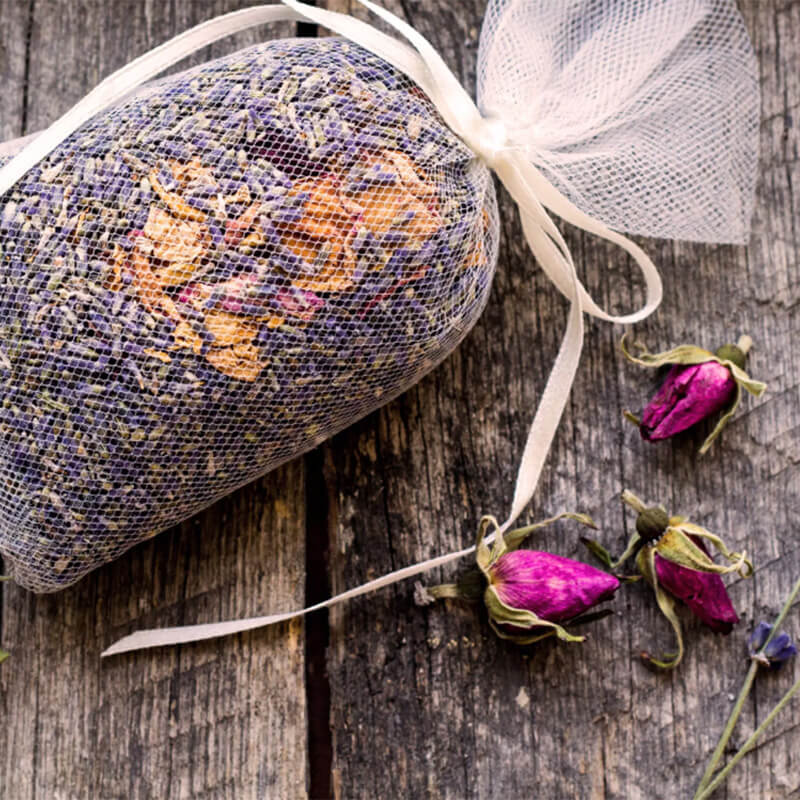
Natural lavender is a great way to protect your favourite pieces from moths while keeping your wardrobe smelling fresh. These simple bags use up fabric scraps and take only a few minutes to make.

You Will Need:

Small fabric scraps (cotton or linen work best)
Dried lavender buds
Twine or ribbon
Pinking shears or scissors
Needle and thread (or a sewing machine)

Step-by-Step Guide:

1. Cut Your Fabric: Cut a rectangular strip of fabric. A good size is roughly 4” by 3” (10cm x 7.5cm), but any small scrap will do.
2. Fold and Stitch: Fold the strip in half with the "right" sides of the fabric facing each other. Sew down the two long sides, leaving the top open.
3. Trim the Edges: If you have pinking shears, use them to trim the seams and the open top edge to prevent fraying and add a decorative finish.
4. Turn it Out: Turn the bag right-side out and gently push out the corners. You can give it a quick press with an iron to make it sit flat.
5. Fill and Tie: Fill the bag about halfway with dried lavender buds. Tie the top securely with twine or a piece of ribbon.

Top Tip: Give your bags a gentle squeeze every now and then to release more of that lovely lavender scent and keep those moths at bay.

Confirm Country Change

Are you sure you want to navigate away from this site?

If you navigate away from this site
you will lose your shopping bag and its contents.

Cancel

Recently Viewed

Loading...

There are no Recently Viewed items to show. Items will appear here as you view them. You can then select the images to revisit the items.

Oops' Something's gone wrong! Please try again