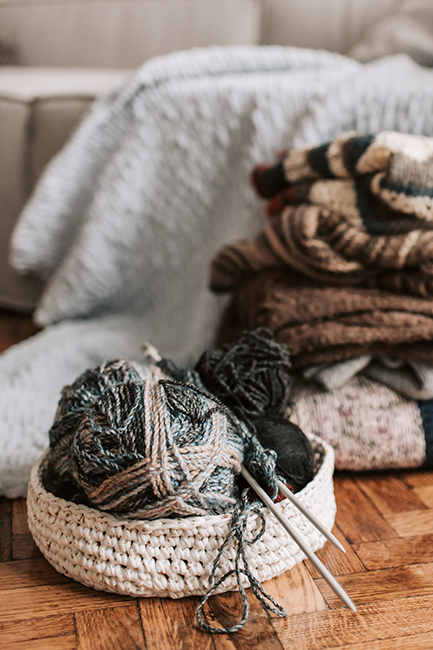
When autumn rolls around, there are few things we reach for more than our favourite knitwear. The throw-on cardigan, the goes-with-everything jumper, the chunky knit that comes out at the first hint of a chill… they’re the pieces that work hard all through the colder months.
And when you find a knit you love, you want to keep it around. A little extra care can go a long way towards keeping your knitwear soft, comfortable and looking its best, year after year. From getting to know your cotton, cashmere and lambswool to washing, drying, storing and tackling those pesky bobbles, here’s everything you need to know about caring for your knits.
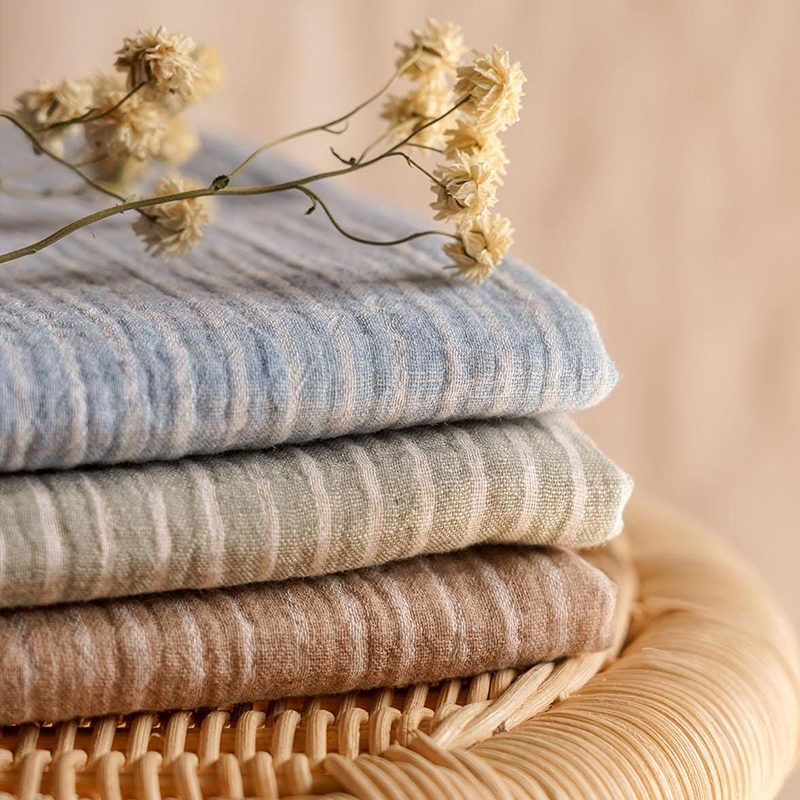
Not all knits are created equal. Different fibres bring different qualities to your wardrobe, from lightweight cotton to insulating lambswool. Knowing what your knit is made from can help you choose the right one for the day, and look after it properly when laundry day comes around.
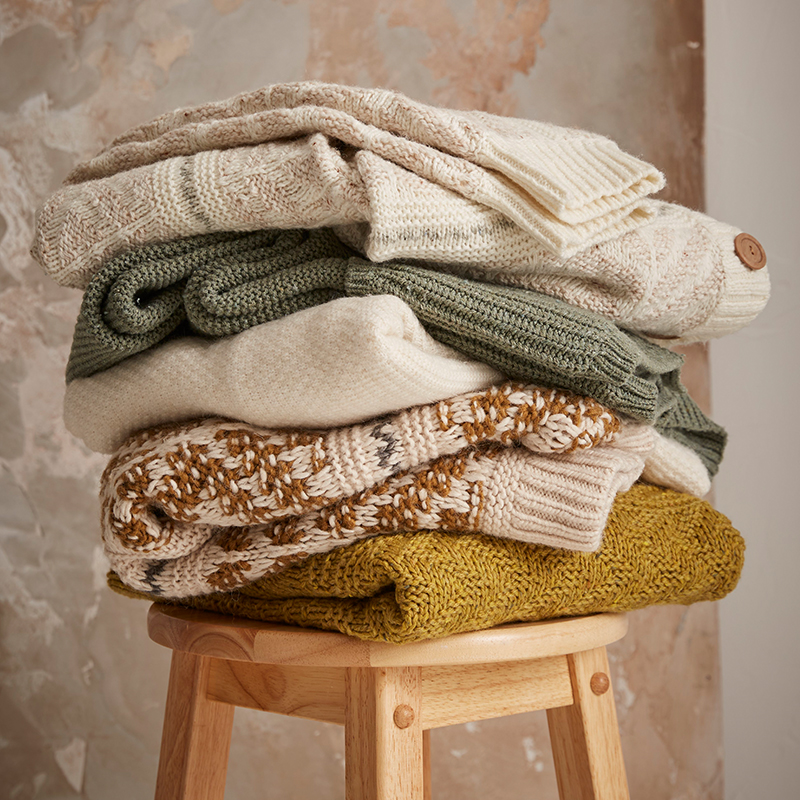
Cotton is a natural fibre that comes from the fluffy fibres surrounding the seeds of the cotton plant. Soft, breathable and comfortable against the skin, it makes a great choice for knitwear that you can reach for throughout the year.
Cotton knits tend to feel lighter than wool, making them particularly handy during those in-between months. Wear yours solo when there’s just a nip in the air or under a jacket when things start getting cooler.
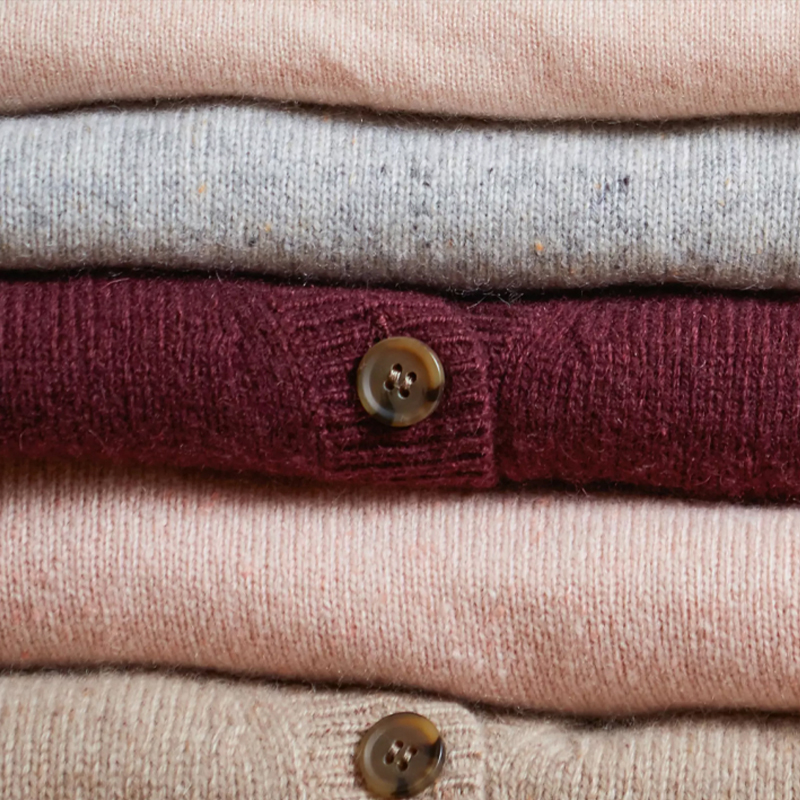
Soft by name, even softer by nature. Cashmere comes from the fine undercoat of cashmere goats and is known for being lightweight, insulating and soft to the touch.
Its warmth without lots of bulk makes cashmere particularly good for those deceptively chilly days when you want to keep cosy without piling on the clothes. As a delicate natural fibre, though, cashmere appreciates a little extra TLC. Particularly when washing and storing it.
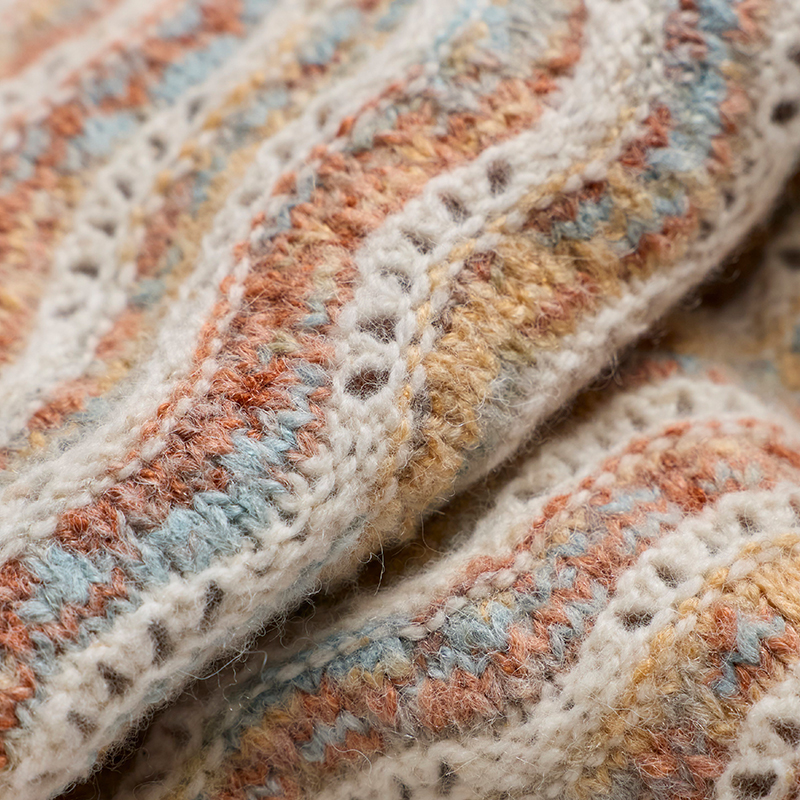
Lambswool is wool taken from a sheep’s first shearing, traditionally when it is still young. The fibres are fine and soft, while still offering the natural insulating qualities that make wool such a cold-weather favourite.
Warm, breathable and made for chilly days, lambswool comes into its own when the temperature really drops. Think countryside walks, frosty mornings and days when a properly cosy jumper is non-negotiable.
Before your knit goes anywhere near the washing machine, take a look at its care label. Those little symbols might not be the most exciting bit of your jumper, but they are there for good reason.
Different fibres, constructions and finishes can require different care, so the instructions on your garment's individual care label should always come first.
There’s nothing quite like the sinking feeling of pulling your favourite jumper out of the wash and discovering it’s suddenly three sizes smaller. The good news? With the right care, it’s easily avoided.
First things first: check the label. It will tell you whether your knit can be machine washed, needs to be washed by hand or requires professional cleaning.
And even if you've washed something similar before, don't assume the instructions will be the same. Different fibres and fabric blends can need very different treatment.
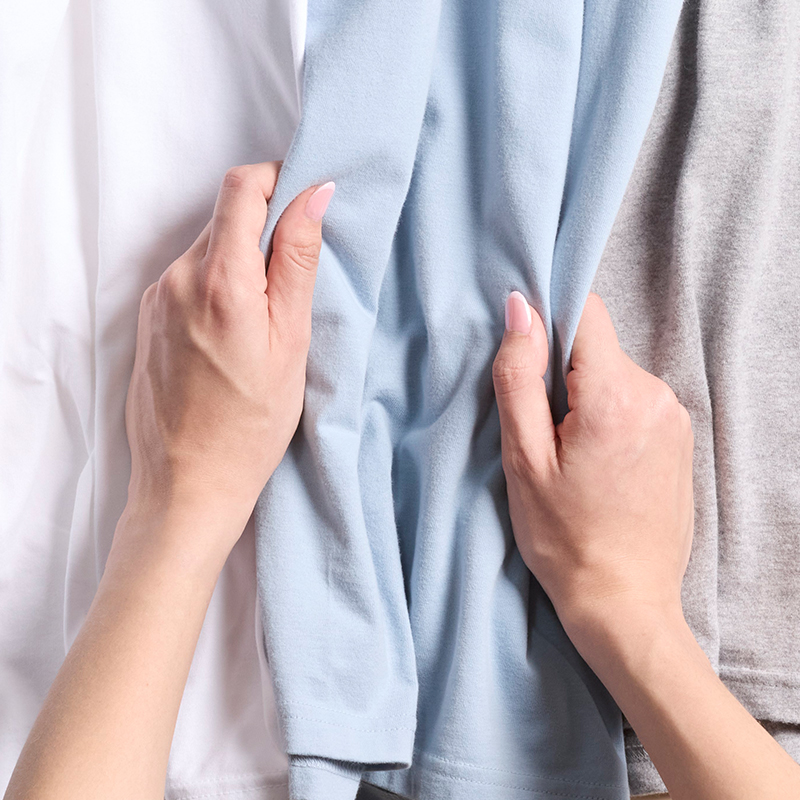
A little prep can help prevent damage in the wash.
If your care label recommends hand washing, fill a clean basin with cool or lukewarm water and add a small amount of detergent suitable for the garment's fibre. Submerge your knit and gently move it through the water. No scrubbing, twisting or squeezing required. Leave it to soak for around 10–15 minutes before draining the water and rinsing carefully. When you're finished, gently press out excess water rather than wringing the garment, which can pull your knit out of shape.
If the label gives you the go-ahead, your washing machine can do the hard work. Pop delicate knits into a mesh laundry bag for a little added protection and select the wool, hand-wash or delicate programme recommended by the care label. Stick to a cool temperature and use a mild detergent suitable for delicate fabrics. Once the cycle has finished, take your knit out promptly and gently reshape it before drying.
Wool doesn't need to be washed after every wear. Often, airing it between outings is enough to freshen it up. When it does need a wash, always follow the care label. Wool fibres can react badly to heat and too much agitation, which can lead to shrinking and felting, so keep things cool and gentle. Use a detergent designed for wool and avoid wringing or roughly rubbing the fabric.
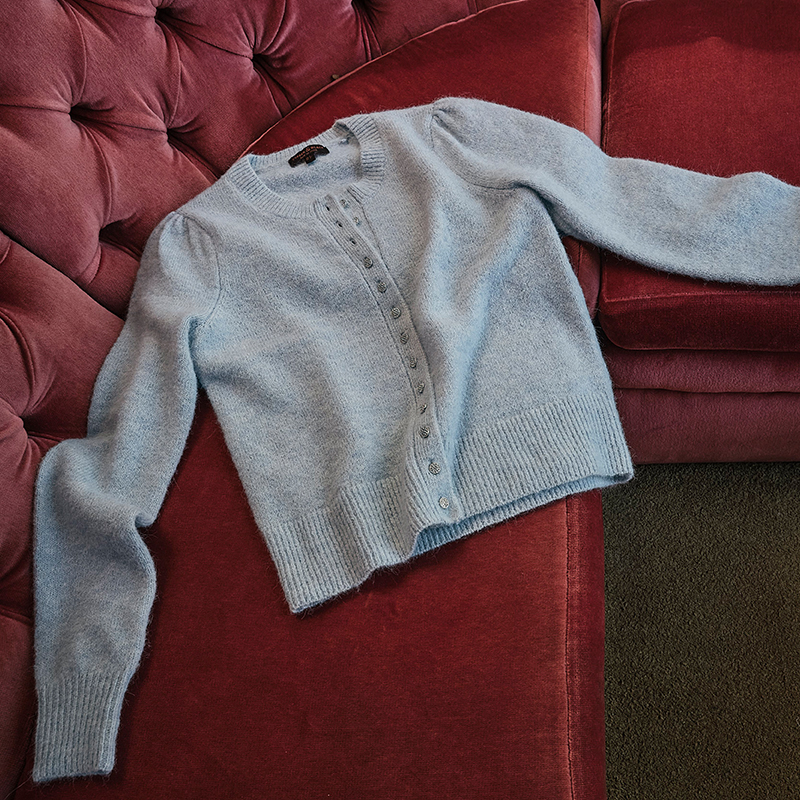
The wash is only half the job. How you dry your knitwear can make a big difference to its shape.
Unless the care label specifically says otherwise, laying knitwear flat to air dry is generally the safest option. Place your freshly washed knit on a clean, dry towel or flat drying rack and gently ease it back into its original shape.
Avoid hanging wet knitwear from a washing line or hanger. Water adds weight, and gravity can stretch your once-perfect jumper into something altogether longer.
Keep it away from direct heat too. Radiators might speed things up, but excessive heat isn't a friend to delicate fibres.
Your knits deserve a good home when they're off duty. Luckily, keeping them happy doesn't require an elaborate wardrobe system.
Before storing knitwear for a longer period, make sure it's clean and completely dry. Marks, food residue and natural oils can attract unwanted visitors.
Knitwear is generally happiest folded. Hanging heavier pieces for long periods can pull them out of shape and leave unwanted bumps around the shoulders.
Choose somewhere away from damp, humidity and direct sunlight to help protect the fibres and colour.
For longer-term storage, breathable cotton or linen storage bags are a good option. Avoid trapping even slightly damp clothing inside plastic.
If your knits are packed away for months, take them out occasionally to air them and check for signs of moths or damage.
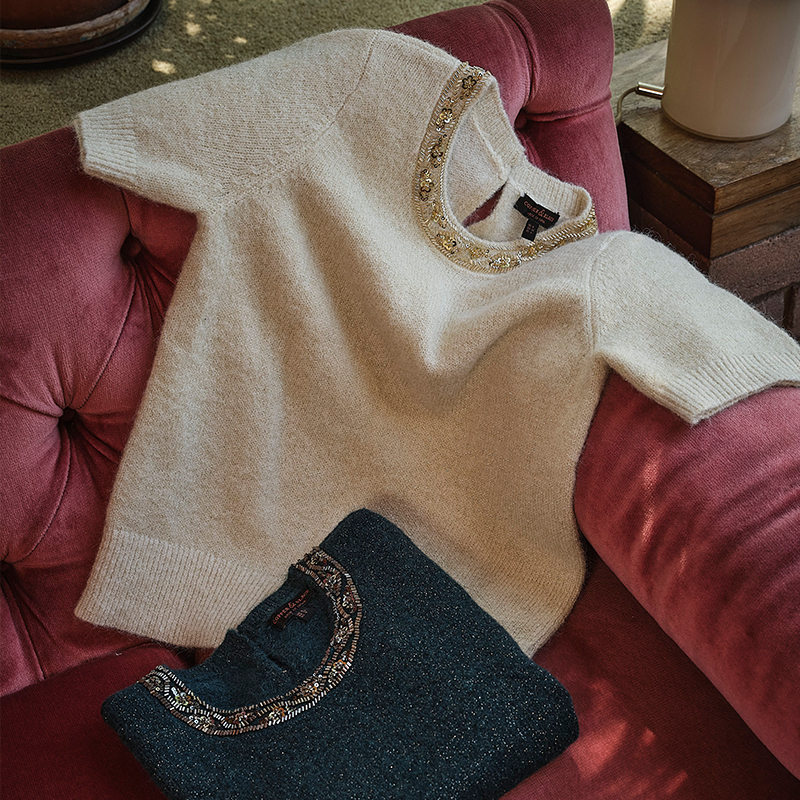
From the jumper that's seen you through countless winter walks to the cardigan that's always waiting by the front door, great knitwear has a habit of becoming part of everyday life.
Look after yours and it'll return the favour. Wash it gently, dry it carefully, fold it away properly and give it a little attention between wears. Because your favourite knit shouldn't be a one-season wonder. It should be around for plenty more cold days, coffee runs and cosy weekends to come.
Yes, some knitwear can be ironed, but always check the care label first. If ironing is permitted, use the recommended low heat setting and consider placing a clean pressing cloth between the iron and the fabric. Avoid pressing down heavily, as this can flatten the texture of the knit.
For some garments, gentle steaming can be a better way to ease out creases, but again, check the care instructions for your particular knit before introducing heat or steam.
Only if the care label says you can. Heat and tumbling can cause many knitted fibres (particularly wool and cashmere) to shrink, felt or lose their shape.
When tumble drying isn't permitted, gently reshape your knit after washing and lay it flat to air dry.
Some knitwear can be dry cleaned and some shouldn't be, so your care label is the best place to check. Certain delicate or structured knitted garments may require professional cleaning, while many everyday knits can be washed carefully at home.
If your label says dry clean only, leave it to the professionals.
For everyday storage, it's usually better to fold knitwear rather than hang it. The weight of a knitted garment can gradually stretch the fabric and create bumps around the shoulders, particularly with chunkier or heavier jumpers.
Fold your knit neatly and store it somewhere cool and dry instead. Your shoulders (and your jumper's) will thank you.
You have reached your limit of 0 items. Please review your Wishlist to keep this item.
Manage Wishlist
Please try again
Wishlist currently unavailable
Add to Wishlist
Remove from Wishlist
This item has been added/removed from a user's Wishlist.
Not already logged in? Sign Out
Are you sure you want to navigate away from this site?
If you navigate away from this site
you will lose your shopping bag and its contents.

There are no Recently Viewed items to show. Items will appear here as you view them. You can then select the images to revisit the items.
Oops' Something's gone wrong! Please try again